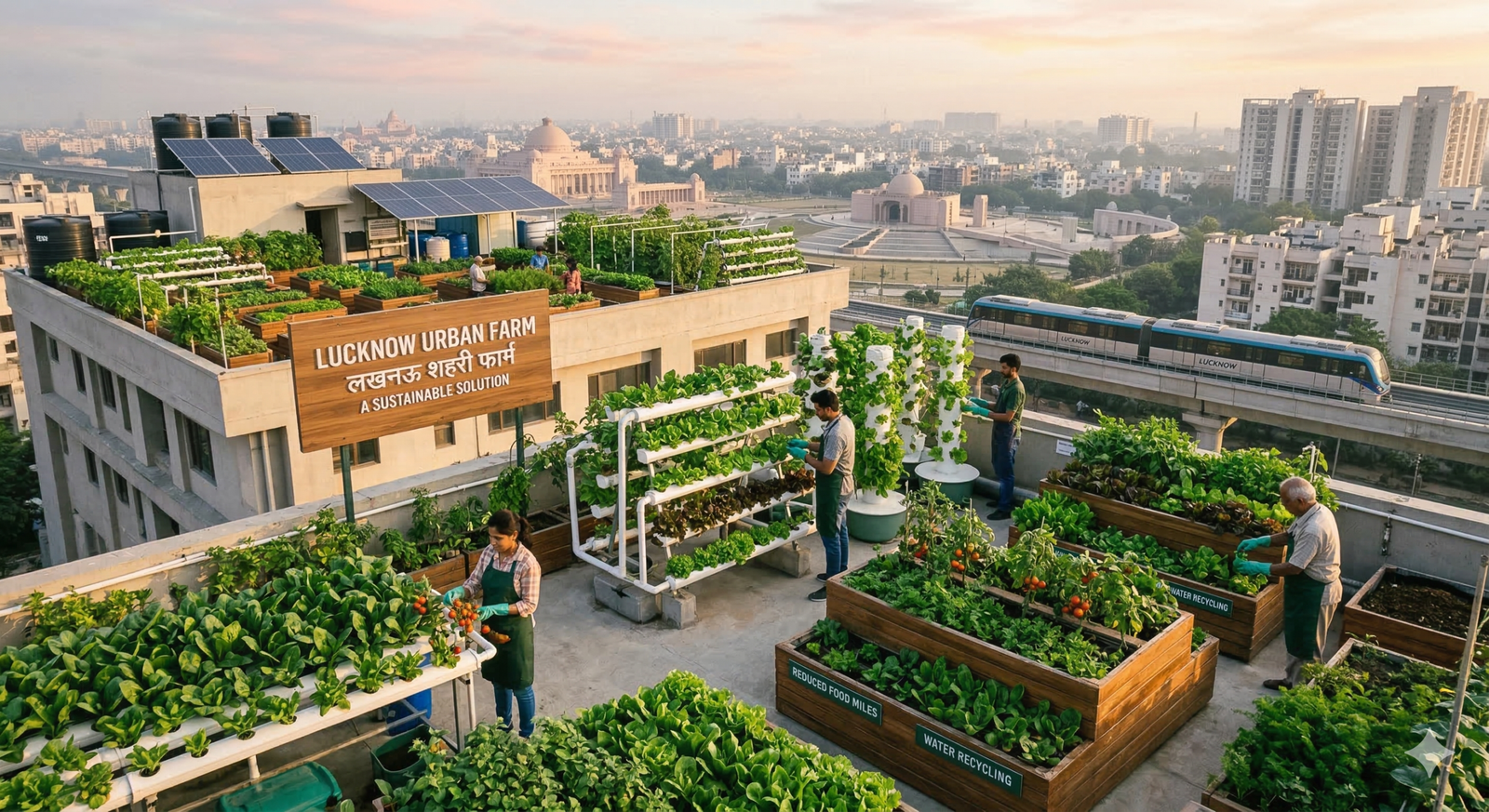
Cities around the world are expanding rapidly. With increasing urban populations and limited agricultural land, ensuring access to fresh and nutritious food has become a major challenge.
Urban farming is emerging as an innovative solution that allows food production to take place within city environments. By utilizing rooftops, balconies, and indoor spaces, urban farming enables people to grow fresh produce closer to where it is consumed.
This approach not only improves food accessibility but also contributes to sustainability and environmental awareness.
The Growing Need for Urban Farming
Traditional agriculture often relies on large rural areas and long supply chains to transport food to urban centers. This system can lead to several challenges, including increased transportation costs, food waste, and environmental impact.
Urban farming helps reduce the distance between food production and consumption. By growing food within cities, communities can access fresher produce while reducing the environmental footprint associated with transportation.
As urban populations continue to grow, this approach is becoming increasingly important.
Farming in Small Urban Spaces
One of the most remarkable aspects of urban farming is its flexibility. It can be practiced in a variety of small spaces, including rooftops, balconies, terraces, and even indoor environments.
Advancements in farming technologies have made it possible to grow vegetables, herbs, and microgreens efficiently in compact areas. Even individuals living in apartments can participate in urban farming through small setups designed for indoor environments.
This makes farming accessible to people who may not have access to traditional agricultural land.
Modern Smart Farming Technologies
Urban farming is supported by innovative technologies that make food production more efficient and sustainable.
Hydroponics, for example, allows plants to grow in nutrient-rich water rather than soil. This method uses significantly less water than traditional farming and can produce high yields in limited space.
Aeroponics is another advanced technique that involves growing plants in air while providing nutrients through a mist system. These technologies make urban farming practical even in densely populated areas.
Microgreens cultivation is also gaining popularity. These small, nutrient-rich plants can be grown quickly and require minimal space.
Environmental Benefits
Urban farming offers several environmental advantages. By reducing the need for long-distance transportation, it helps lower carbon emissions associated with food distribution.
It also encourages sustainable use of resources such as water and space. Many urban farming systems are designed to use water efficiently and minimize waste.
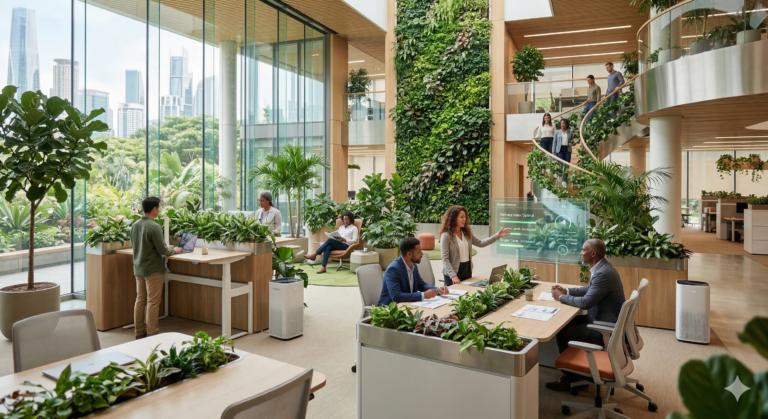
Additionally, urban farms contribute to greener cities by increasing plant coverage and improving air quality.
Community and Lifestyle Benefits
Urban farming is not just about food production; it also has social and lifestyle benefits.
Growing food encourages people to reconnect with nature and understand where their food comes from. It promotes healthier eating habits and increases awareness of sustainable living practices.
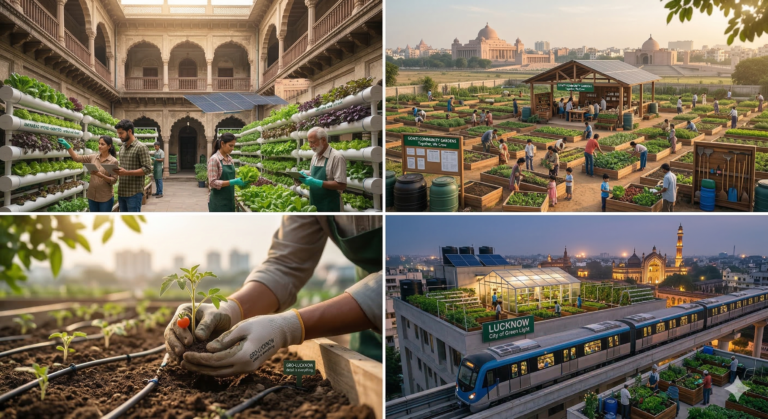
Community gardens and urban farms can also bring people together, creating opportunities for collaboration and shared learning.
The Future of Urban Agriculture
As cities continue to grow, urban farming is expected to play an increasingly important role in sustainable development.
Governments, organizations, and individuals are exploring ways to integrate urban agriculture into city planning. Rooftop farms, vertical gardens, and smart farming systems are becoming more common in modern urban landscapes.
These innovations represent a shift toward a more sustainable and resilient food system.
Conclusion
Urban farming is redefining the relationship between cities and agriculture. By bringing food production closer to urban communities, it offers a sustainable solution to many of the challenges associated with traditional farming systems.
With the support of modern technologies and growing awareness of sustainability, urban farming has the potential to transform cities into greener and more self-sufficient environments.
As more people embrace this concept, urban farming will continue to play a vital role in shaping the future of sustainable living.