As cities continue to grow and urban spaces become more crowded, access to fresh and healthy food is becoming a growing challenge. Traditional agriculture requires large areas of land, but in metropolitan environments such space is limited. This is where rooftop farming emerges as an innovative and sustainable solution.
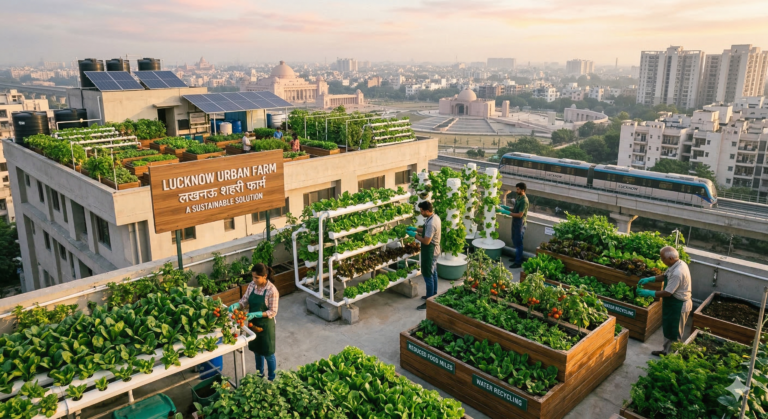
Rooftop farming involves cultivating plants, vegetables, herbs, and fruits on the roofs of buildings. What was once unused or empty space can now be transformed into productive green areas that support sustainable living. From residential apartments to commercial buildings and offices, rooftops offer immense potential for urban agriculture.
In recent years, rooftop farming has gained popularity worldwide as individuals, businesses, and communities seek eco-friendly ways to grow fresh food while contributing to a healthier environment.
Why Rooftop Farming is Becoming Popular
Urban populations are increasing rapidly, and cities are facing challenges related to food supply, pollution, and limited green spaces. Transporting food from rural farms to cities requires long supply chains that consume energy and reduce the freshness of produce.
Rooftop farming provides a local solution to this problem. By growing food directly where people live or work, it reduces dependence on long transportation networks and ensures fresher produce.
In addition to food production, rooftop farms bring greenery back into cities. They help restore the natural balance that urban development often disrupts.
For many people, rooftop farming also creates a deeper connection with nature and food production.
Making Use of Unused Urban Spaces
One of the biggest advantages of rooftop farming is that it utilizes space that would otherwise remain unused. Many buildings have large flat roofs that receive ample sunlight throughout the day.
These rooftops can be converted into small farms, gardens, or green ecosystems. Depending on the available space, people can grow vegetables, herbs, fruits, or even ornamental plants.
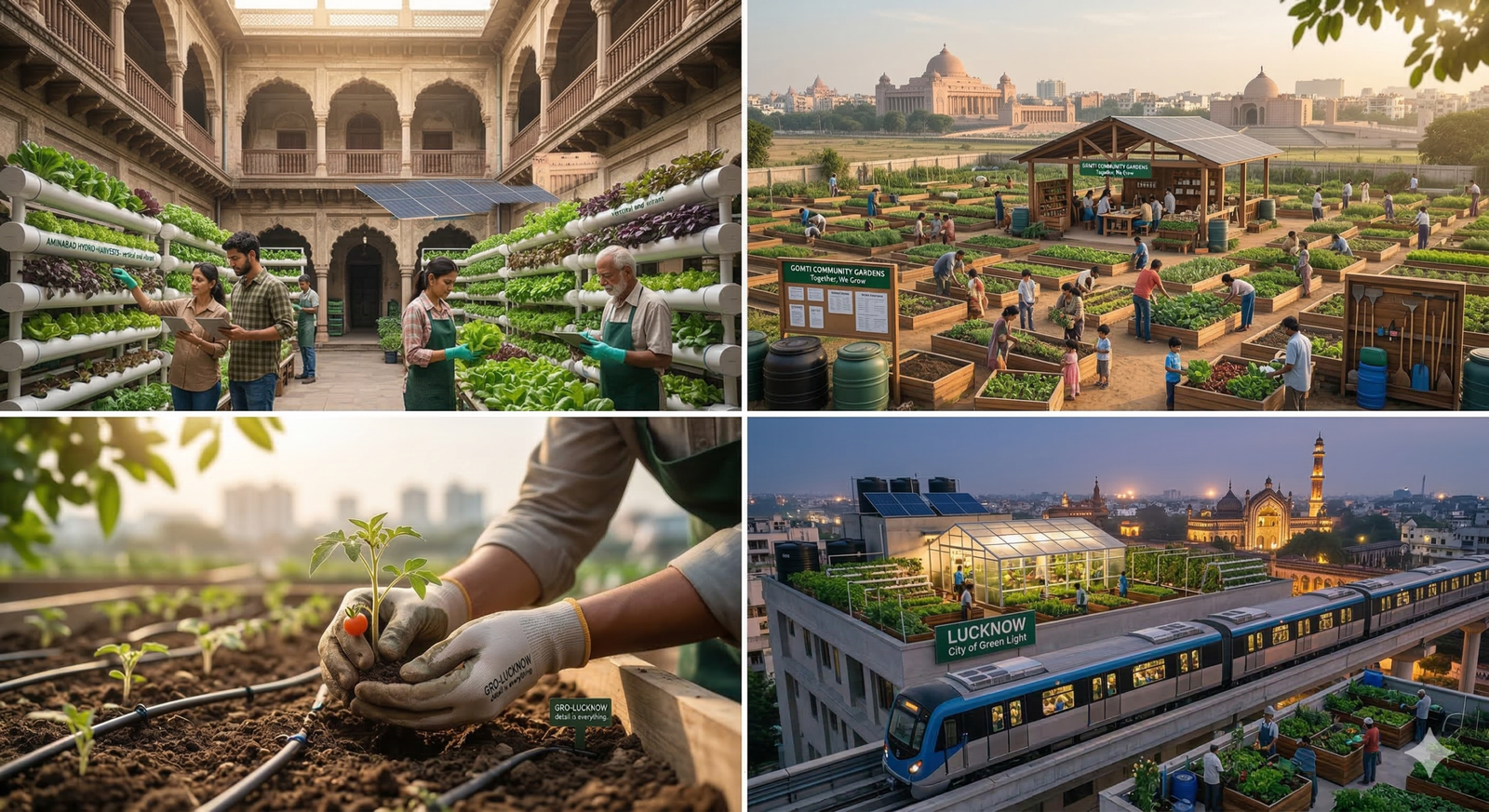
Modern rooftop farms can range from simple container gardens to advanced hydroponic systems that produce food efficiently with minimal soil and water.
With proper planning, even small rooftops can support productive gardens.
Environmental Benefits of Rooftop Farming
Rooftop farming offers several environmental benefits that make cities more sustainable.
One of the most significant advantages is temperature regulation. Concrete buildings absorb heat during the day and release it slowly at night, contributing to the urban heat island effect. Rooftop gardens help reduce this effect by cooling the building naturally.
Plants also improve air quality by absorbing pollutants and releasing oxygen. This creates cleaner and healthier environments for people living and working in cities.
Additionally, rooftop farms help manage rainwater more effectively. Soil and plants absorb rainfall, reducing water runoff and easing pressure on urban drainage systems.
Overall, rooftop farming contributes to greener and more environmentally friendly cities.
Fresh and Healthy Food Production
Another major advantage of rooftop farming is access to fresh, chemical-free produce. Vegetables and herbs grown on rooftops can be harvested and consumed immediately, ensuring maximum freshness and nutritional value.
Many urban residents are becoming more conscious about the quality of the food they consume. Rooftop farming allows people to grow their own produce without relying heavily on packaged or processed food from markets.
Common crops grown on rooftop farms include tomatoes, spinach, coriander, lettuce, peppers, mint, and various herbs.
Microgreens are also becoming popular in rooftop farming because they grow quickly and are rich in nutrients.
Rooftop Farming for Businesses and Offices
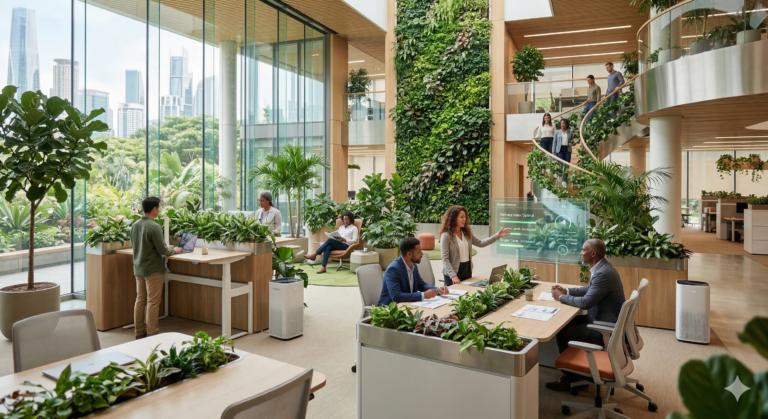
Rooftop farming is not limited to residential buildings. Many companies and organizations are now exploring rooftop farms as part of their sustainability initiatives.
Corporate rooftop gardens can serve multiple purposes. They can produce fresh vegetables for office cafeterias, provide green relaxation spaces for employees, and demonstrate the organization’s commitment to environmental responsibility.
Green rooftops can also enhance the overall aesthetic appeal of office buildings. Employees often appreciate working in environments that include natural elements and green spaces.
This approach aligns with the growing trend of sustainable workplaces and environmentally responsible corporate culture.
Smart Technologies in Rooftop Farming
Advancements in farming technology have made rooftop farming more efficient and accessible than ever before.
Hydroponic systems allow plants to grow in nutrient-rich water instead of soil. This method uses significantly less water compared to traditional agriculture while producing high yields.
Aeroponic systems take efficiency even further by delivering nutrients through a mist that nourishes plant roots suspended in air.
These technologies are particularly suitable for urban environments because they require minimal space and maintenance.
With proper systems and planning, rooftop farms can produce substantial amounts of fresh produce throughout the year.
Challenges and Considerations
While rooftop farming offers many benefits, it also requires careful planning and management.
Structural strength is an important factor. Buildings must be able to support the weight of soil, plants, containers, and irrigation systems.
Waterproofing and drainage are also essential to prevent damage to the building structure.
Additionally, rooftop farms require regular maintenance such as watering, pest management, and plant care.
However, with professional guidance and proper systems, these challenges can be effectively managed.
The Future of Rooftop Farming
As cities continue to expand and environmental concerns grow, rooftop farming is expected to play an increasingly important role in urban sustainability.
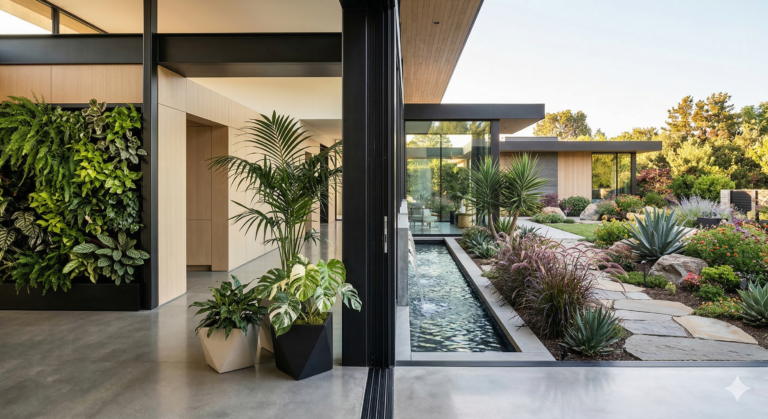
Many architects and urban planners are now incorporating green roofs and rooftop gardens into building designs. Governments and environmental organizations are also encouraging urban agriculture initiatives.
In the future, rooftop farms could become common features of residential buildings, offices, schools, and commercial complexes.
This transformation will not only improve food accessibility but also make cities greener, healthier, and more resilient.
Conclusion
Rooftop farming represents a powerful step toward sustainable urban living. By transforming unused rooftop spaces into productive green areas, cities can improve food security, environmental health, and community wellbeing.
Whether practiced on a small residential rooftop or a large corporate building, rooftop farming demonstrates that agriculture and urban development can coexist in harmony.
As more people adopt this practice, rooftop farming will continue to shape the future of sustainable cities — bringing fresh food, greenery, and ecological balance back into urban life.