In today’s fast-paced urban lifestyle, people are increasingly seeking ways to reconnect with nature. Modern buildings, offices, and homes are often surrounded by concrete and artificial environments, leaving little room for greenery. Landscaping offers a powerful solution by bringing plants and natural elements into both indoor and outdoor spaces.
Landscaping is more than just planting trees or decorating spaces with plants. It is the thoughtful design and arrangement of natural elements such as plants, trees, lawns, water features, and pathways to create beautiful, functional, and sustainable environments. Whether it is a residential garden, a corporate office lobby, or a large commercial campus, landscaping can significantly improve the atmosphere and usability of a space.
Both outdoor landscaping and indoor landscaping play important roles in creating environments that are visually appealing, environmentally friendly, and beneficial for human wellbeing.
The Importance of Landscaping in Urban Environments
Urban development has transformed cities into dense networks of buildings, roads, and infrastructure. While this growth is essential for economic development, it often comes at the cost of reduced green spaces.
Landscaping helps restore balance by integrating natural elements into built environments. Plants and trees not only improve aesthetics but also provide environmental benefits such as cleaner air, temperature regulation, and improved biodiversity.
Incorporating greenery into urban spaces helps create more comfortable and healthier environments for people to live and work in.
Outdoor Landscaping: Creating Green Outdoor Spaces
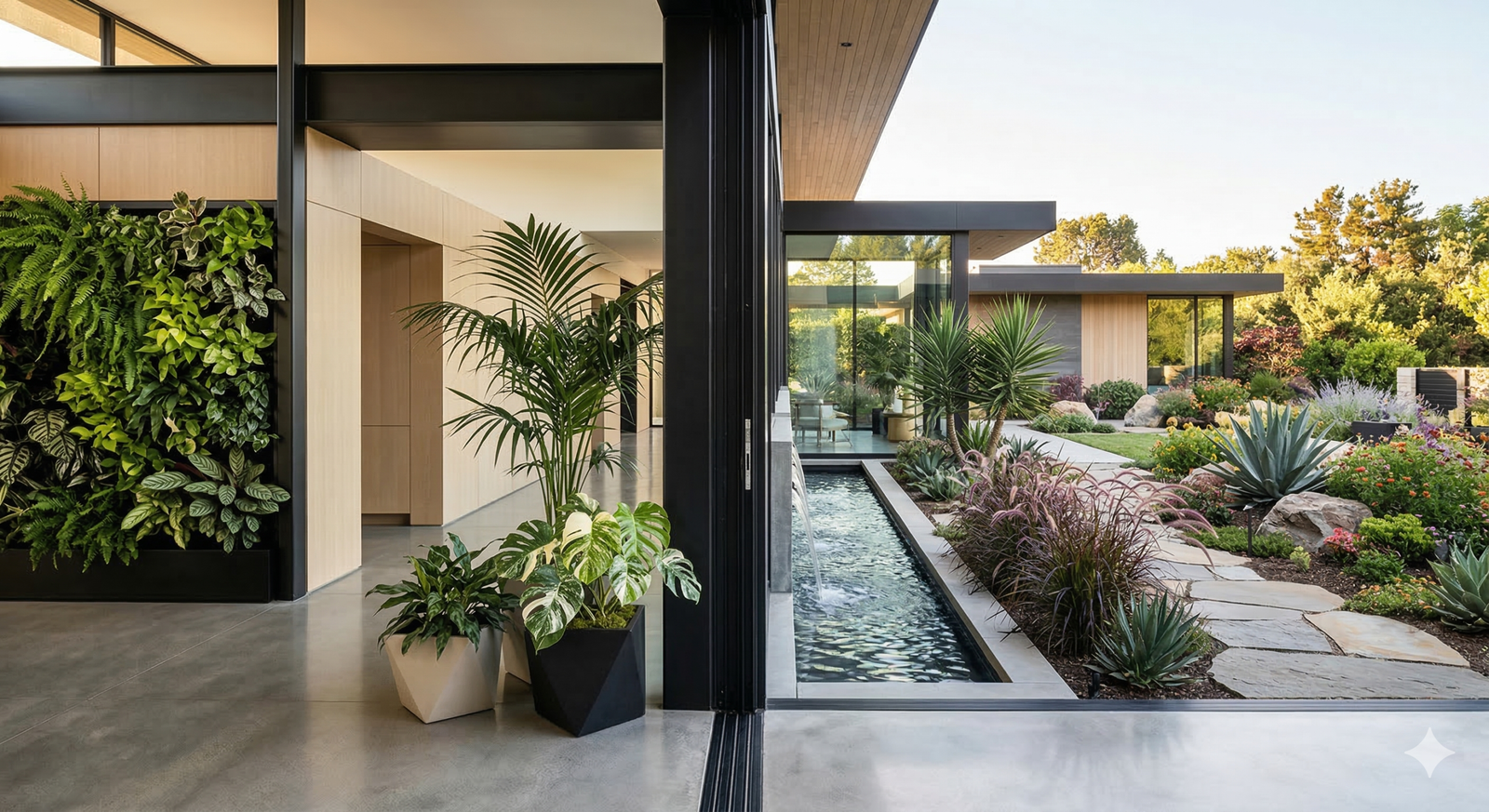
Outdoor landscaping focuses on designing and maintaining gardens, lawns, parks, and open spaces around buildings. It includes elements such as trees, shrubs, flowering plants, lawns, pathways, fountains, and seating areas.
One of the main objectives of outdoor landscaping is to create spaces that are both beautiful and functional. Well-designed outdoor landscapes can enhance the visual appeal of residential properties, corporate campuses, hotels, and commercial complexes.
Outdoor landscaping also provides areas for relaxation and recreation. Gardens and green spaces offer a peaceful escape from the busy urban environment and help people feel more connected to nature.
From small residential gardens to large corporate landscapes, outdoor landscaping plays a major role in improving the overall quality of urban living.
Indoor Landscaping: Bringing Nature Inside
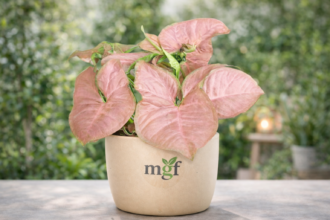
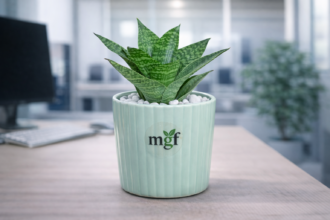
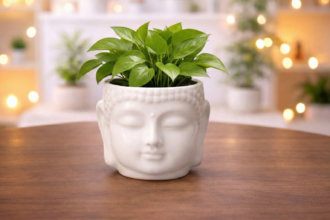
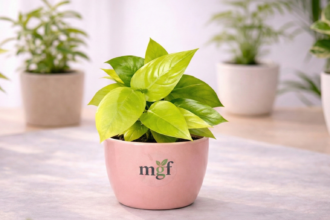
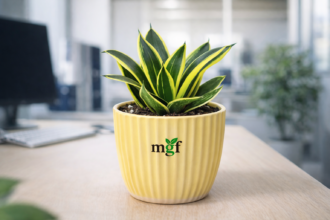
While outdoor landscaping focuses on open spaces, indoor landscaping brings greenery into interior environments. Offices, shopping malls, hotels, hospitals, and homes can benefit greatly from indoor plants and green installations.
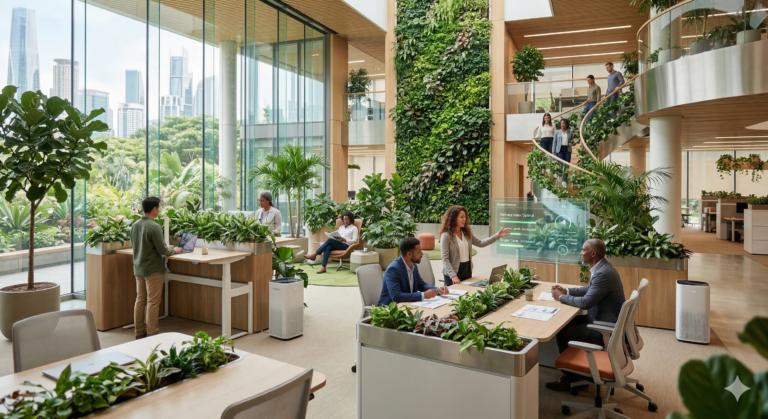
Indoor landscaping involves the use of decorative plants, vertical gardens, planters, and plant arrangements to enhance indoor spaces. These installations can transform otherwise plain interiors into lively and refreshing environments.
Indoor plants help improve air quality by absorbing pollutants and releasing oxygen. They also add color, texture, and natural beauty to interior designs.
For workplaces, indoor landscaping can create more welcoming environments that improve employee wellbeing and productivity.
Landscaping for Corporate and Commercial Spaces
Many businesses today recognize the importance of landscaping as part of their workplace design strategy. Corporate campuses, office buildings, and commercial spaces often use landscaping to create professional and inviting environments.
Outdoor landscapes around office buildings make a strong first impression on visitors and clients. Well-maintained gardens and green spaces reflect a company’s commitment to sustainability and employee wellbeing.
Indoor landscaping within office spaces also contributes to a positive work atmosphere. Plants placed in reception areas, meeting rooms, and workstations can make offices feel more vibrant and comfortable.
Organizations that incorporate greenery into their spaces often experience improved employee satisfaction and a stronger brand image.
Environmental Benefits of Landscaping
Landscaping plays a significant role in improving environmental sustainability. Trees and plants help absorb carbon dioxide and release oxygen, contributing to better air quality.
Green landscapes also help regulate temperature by providing shade and reducing heat absorption from concrete surfaces. This helps mitigate the urban heat island effect commonly found in large cities.
In addition, landscaping supports biodiversity by creating habitats for birds, insects, and small wildlife. Green spaces within cities contribute to healthier ecosystems and environmental balance.
Rainwater management is another important benefit. Landscaped areas can absorb and filter rainwater, reducing runoff and improving groundwater recharge.
Psychological and Health Benefits
Nature has a powerful impact on human wellbeing. Landscaped environments provide calming and refreshing surroundings that help reduce stress and improve mood.
Studies have shown that people working or living in green environments often experience better mental health and increased productivity. Natural elements help create spaces that feel comfortable and inspiring.
Outdoor gardens offer places for relaxation and social interaction, while indoor plants make interiors feel more welcoming and lively.
These benefits make landscaping an important element of modern architectural design.
Modern Landscaping Trends
Landscaping is evolving as designers and architects explore innovative ways to integrate greenery into urban spaces.
Vertical gardens, also known as living walls, are becoming popular in buildings where horizontal space is limited. These installations allow plants to grow on walls, creating stunning visual features while saving space.
Sustainable landscaping is another growing trend. This approach focuses on using native plants, efficient irrigation systems, and eco-friendly materials to reduce environmental impact.
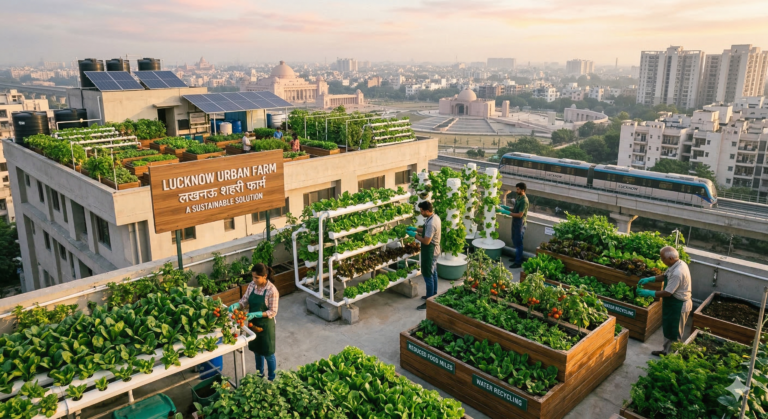
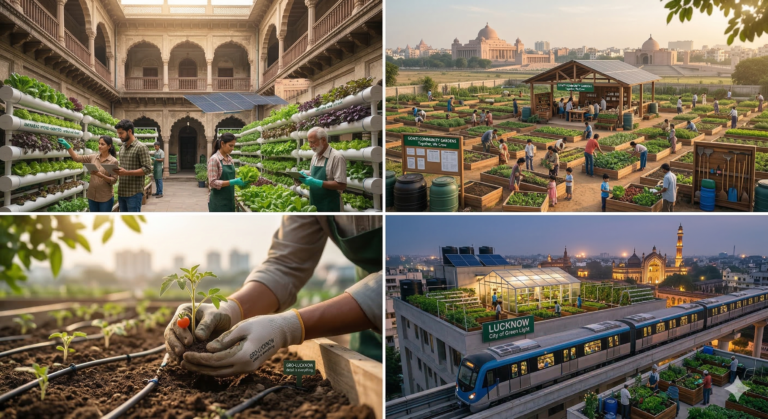
Rooftop gardens are also gaining popularity in urban areas. They transform unused rooftop spaces into green environments that support both aesthetics and sustainability.
These modern landscaping solutions allow cities to incorporate more greenery even in densely developed areas.
Landscaping for Homes
Homeowners are increasingly investing in landscaping to enhance their living spaces. A well-designed garden or balcony garden can significantly improve the appearance and comfort of a home.
Outdoor landscaping for homes may include lawns, flower beds, vegetable gardens, or small water features. Indoor landscaping can involve decorative plants, terrariums, and vertical planters.
Even small spaces such as balconies or terraces can be transformed into beautiful green corners with the right plant arrangements.
These personal green spaces provide relaxation and a connection with nature within the comfort of home.
Conclusion
Landscaping is a powerful way to bring nature back into modern living environments. Whether through outdoor gardens or indoor plant installations, landscaping transforms ordinary spaces into vibrant, healthy, and sustainable environments.
By integrating greenery into homes, offices, and public spaces, landscaping improves aesthetics, environmental quality, and human wellbeing. It helps create places where people can feel relaxed, inspired, and connected to nature.
As cities continue to grow and urban lifestyles become more demanding, landscaping will play an increasingly important role in shaping greener and healthier environments for the future.