Modern living often means closed windows, air conditioners, synthetic furniture, and limited ventilation. Over time, this leads to indoor air pollution caused by dust, smoke, volatile organic compounds (VOCs), and chemicals released from paints, cleaners, and furnishings. While we may not always notice it, this polluted air quietly affects our breathing, energy levels, and overall well-being.
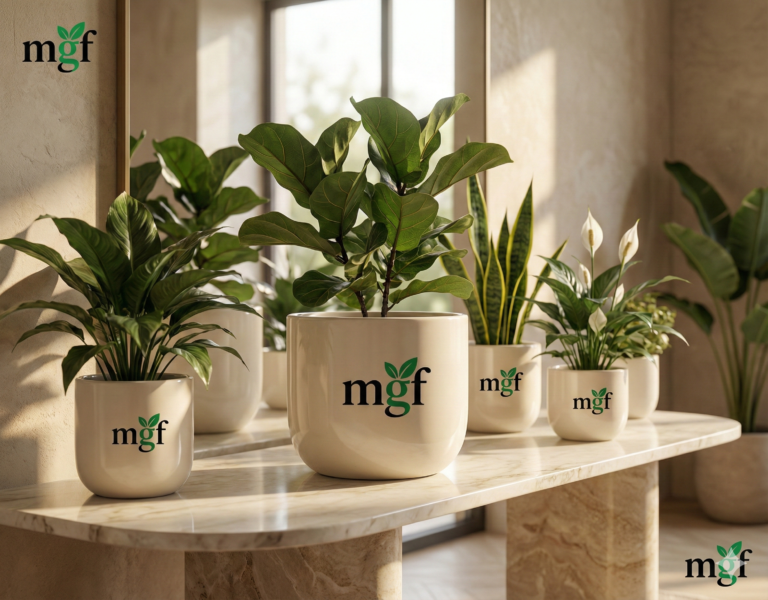
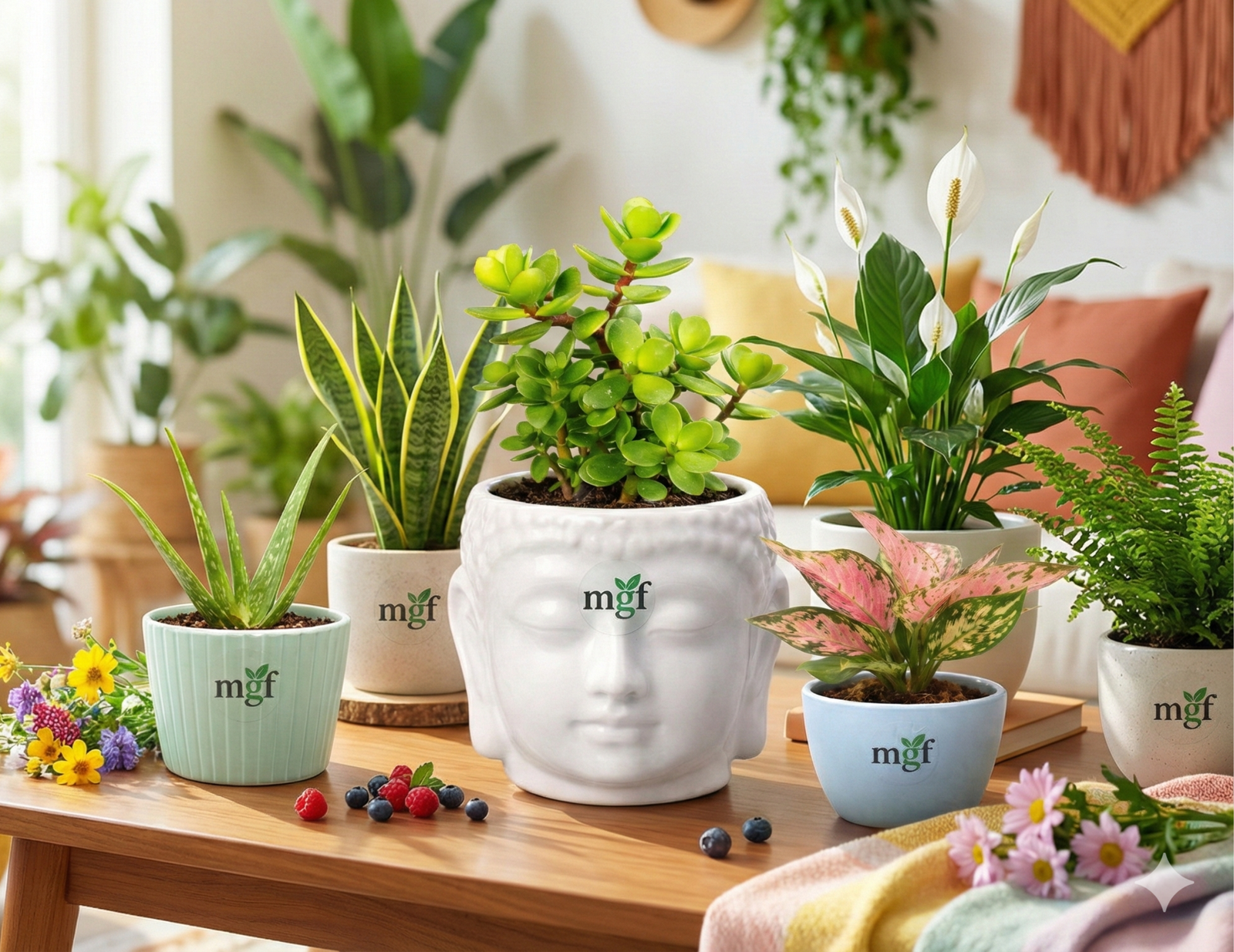
Indoor plants offer a simple, natural way to support cleaner air. Certain plants absorb carbon dioxide and release oxygen, but more importantly, they can help reduce common indoor pollutants. Research conducted by NASA’s Clean Air Study found that plants such as Snake Plant, Money Plant, Areca Palm, Peace Lily, and Spider Plant can help reduce airborne toxins like formaldehyde, benzene, and carbon monoxide under controlled conditions.
Plants purify air through their leaves and root systems. Pollutants enter through tiny pores in the leaves and are either stored or broken down by microorganisms in the soil. At the same time, plants release moisture into the air through a process called transpiration, which helps improve humidity and makes indoor air feel fresher and less dry.
While indoor plants should not be seen as replacements for air purifiers or proper ventilation, they act as gentle, continuous natural filters. Their impact grows when multiple plants are placed across rooms, especially in living areas, bedrooms, and workspaces.
Beyond physical benefits, indoor plants also support mental well-being. Studies show that greenery helps reduce stress, improve focus, and create a calming environment. Even a single plant on a desk or windowsill can positively change how a space feels.
Choosing low-maintenance plants ensures consistency. With basic care, these plants continue to grow and quietly contribute to a healthier, more balanced indoor environment — every day.